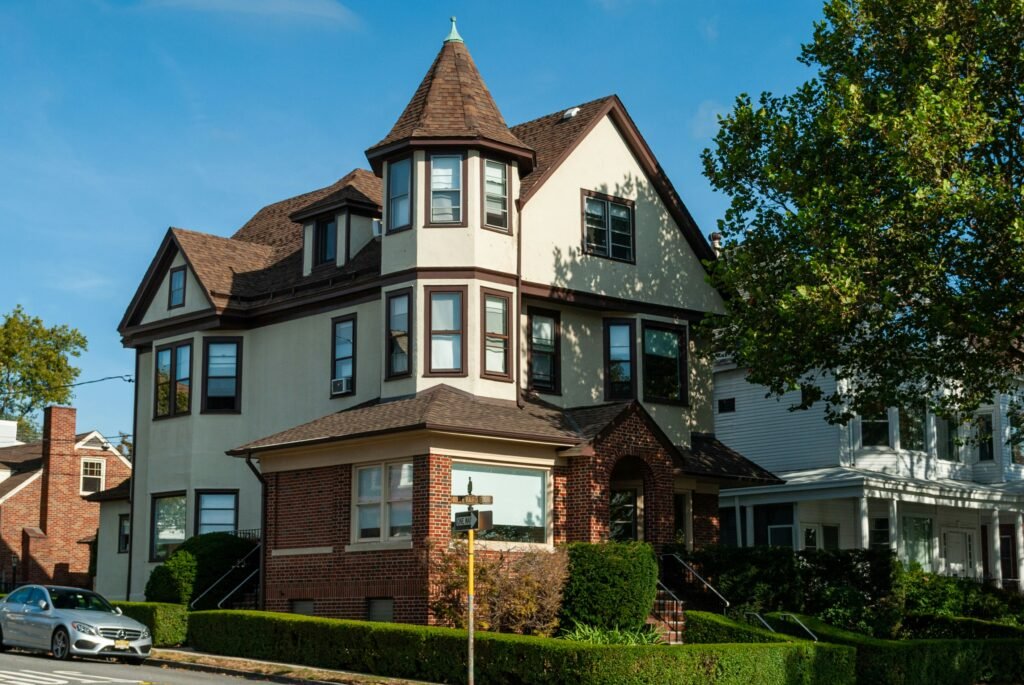
New Jersey offers investors access to one of the most diverse real estate markets in the United States. With proximity to major metropolitan areas, strong transportation networks, and a mix of urban and suburban communities, the state attracts investors seeking rental income and long-term appreciation.
Whether you are interested in multifamily properties, commuter rentals, house flipping, or long-term investment strategies, real estate investing in New Jersey provides a variety of opportunities.
Why Investors Consider New Jersey Real Estate
New Jersey attracts investors for several reasons:
- Access to large employment centers
- Strong rental demand in many areas
- Public transportation networks
- Diverse housing markets
- Long-term appreciation opportunities
- Population density supporting housing demand
Many residents commute to nearby employment hubs, which can increase demand in neighborhoods with convenient transportation access.
New Jersey Real Estate Market Trends
The New Jersey market varies significantly depending on location.
Northern areas closer to major metropolitan regions often experience:
- Higher property prices
- Strong rental demand
- Greater appreciation potential
Other areas may offer:
- Lower purchase prices
- Better cash-flow opportunities
- Different tenant demographics
Investors often monitor:
- Housing inventory
- Population trends
- Rental demand
- Vacancy rates
- Employment growth
- New development projects
Understanding local conditions is important because one city may perform very differently from another.
Best Places for Real Estate Investing in New Jersey
Jersey City
Jersey City has experienced significant growth and attracts professionals seeking convenient transportation access.
Potential opportunities include:
- Multifamily properties
- Long-term rentals
- Luxury apartment investments
Strong demand can support both rental income and appreciation potential.
Newark
Newark continues to undergo redevelopment and infrastructure improvements.
Investors often examine:
- Affordable properties
- Multifamily housing
- Renovation opportunities
Some areas may present higher growth potential than others.
Princeton
Princeton attracts residents seeking strong schools and a stable environment.
Possible opportunities include:
- Higher-end residential properties
- Long-term appreciation strategies
- Family-focused rentals
Camden
Camden may appeal to investors looking for lower purchase prices.
Potential advantages include:
- Lower entry costs
- Rental income opportunities
- Redevelopment potential
Neighborhood research remains especially important.
Atlantic City
Atlantic City attracts tourism and entertainment activity.
Investors may consider:
- Vacation rentals
- Long-term rentals
- Mixed-use opportunities
Demand may fluctuate depending on tourism and economic conditions.
Housing Costs in New Jersey
New Jersey generally has higher housing costs than many U.S. states, but prices vary substantially by location.
Investors should evaluate:
- Purchase prices
- Property taxes
- Insurance costs
- Maintenance expenses
- Expected rental income
- Property management costs
Higher-priced properties do not necessarily produce stronger returns.
Tax Benefits for Real Estate Investors
Investment properties may provide several tax advantages.
Potential deductions can include:
Mortgage Interest
Interest paid on qualifying investment-property loans may reduce taxable income.
Property Expenses
Eligible expenses may include:
- Insurance
- Property management fees
- Maintenance costs
- Professional services
- Advertising expenses
Property Depreciation
Residential rental properties may generally qualify for depreciation over time.
Home Office Benefits
Some investors managing their business activities from home may qualify for home office deductions.
Tax rules vary by situation, so professional guidance is recommended.
Risks of Investing in New Jersey Real Estate
Every market carries risks.
Investors should consider:
- High property taxes
- Market competition
- Rising maintenance costs
- Vacancy periods
- Economic changes
- Local regulations
New Jersey’s property tax rates can significantly affect overall investment returns, making accurate financial calculations especially important.
Frequently Asked Questions
Is New Jersey good for real estate investing?
New Jersey can attract investors seeking access to dense population centers and long-term appreciation opportunities.
Which New Jersey cities have strong rental demand?
Cities such as Jersey City, Newark, Princeton, and areas with transportation access often attract rental demand.
Is New Jersey expensive for beginner investors?
Some markets may require larger initial investments, although certain cities can provide more affordable entry points.
Final Thoughts
Real estate investing in New Jersey offers opportunities ranging from commuter markets and multifamily housing to redevelopment projects and long-term rentals.
Success depends on understanding local market conditions, accurately estimating expenses, and selecting properties that match your investment goals.tely $2,200 per month, with higher prices in urban centers like Jersey City and lower prices in suburban areas.